Decorative Fan: A Designer's Practical Review
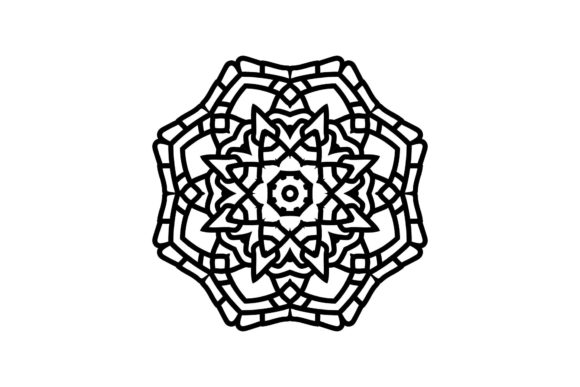
As a designer who has spent years navigating the intersection of digital graphics and physical thread, I approach every new asset with a critical eye. The market is flooded with generic patterns, so finding a piece like the Decorative Fan that offers genuine utility requires looking past the preview image. This specific design falls under the broad category of Icons and Graphics, but its potential lies in how it translates from a pixel-perfect screen to a tangible, stitched reality. When I first opened the file, the immediate impression was one of classic elegance. The sweeping curves and rhythmic segments suggest a vintage aesthetic that feels timeless rather than trendy.
The First Impression: Mood and Visual Personality
The visual personality of the Decorative Fan is inherently structured yet fluid. Unlike chaotic floral bursts or rigid geometric blocks, this design offers a sense of movement. In the context of a machine embroidery design, this shape is particularly forgiving for placement. It does not demand a perfect center alignment in the same way a portrait might; instead, it can anchor a corner or frame a monogram beautifully. The mood it creates is sophisticated and slightly nostalgic, making it an excellent candidate for projects where you want to elevate a simple item into something boutique-worthy.
When evaluating the layout, the balance between negative space and filled areas is crucial. For a fan motif, the "spokes" or segments need to be distinct enough to hold their shape after stitching. If the lines are too thin, they risk disappearing on textured fabrics. However, the provided canvas size of 1920 px by 1280 px suggests a high-resolution source, which usually indicates that the vector paths are clean. This cleanliness is vital when converting a graphic into a stitchable format, ensuring that your digitizing software doesn't struggle with jagged edges or unnecessary nodes.
Real-World Application: From Screen to Stitch
To truly understand the value of this embroidery file, let's walk through a real-life scenario. Imagine you are preparing a custom embroidered tote bag for a local craft fair. You have chosen a sturdy, natural canvas material. The goal is to create a statement piece that stands out among mass-produced goods. Placing the Decorative Fan on the lower right corner of the bag, perhaps paired with a small script font, instantly transforms the item from a basic carrier to a curated accessory.
In this application, the design serves as a focal point without overwhelming the user. The fill stitch within the fan segments would add texture and depth, catching the light differently depending on the angle. If you were to use this on a sweatshirt, specifically on the back pocket or sleeve cuff, the organic shape complements the soft drape of the fabric. For a personalized gift, such as a wedding guest towel or a nursery blanket, the fan motif adds a touch of whimsy and structure that feels intentional. It is the kind of detail that makes a customer pause and appreciate the craftsmanship of a handmade product.
I also see strong potential for using this as part of an embroidered patch. Because the shape is self-contained and symmetrical, it works exceptionally well when backed with felt or interfaced fabric. You could create a series of patches using different thread colors—perhaps metallics for a luxury feel or pastels for a spring collection—and sell them as standalone accessories or applique additions for denim jackets. The versatility here is what separates a good graphic from a great commercial asset.
Navigating Challenges: Where Caution is Required
While the Decorative Fan is versatile, it is not a magic bullet for every situation. As a reviewer, I must highlight where this design requires careful handling. One of the primary concerns with any intricate icon is the hoop size. If you attempt to shrink this design too aggressively for a tiny cap or a baby onesie, the delicate details may merge. The spaces between the fan ribs could close up, turning distinct segments into a muddy blob of thread. Always check the minimum recommended dimensions before scaling down.
Fabric texture is another critical factor. On heavy, nubby fabrics like thick wool or burlap, fine details can get lost. The stitch density needs to be sufficient to punch through the weave without distorting the fabric underneath. Conversely, on very thin or stretchy materials, the rigidity of the fan shape might cause puckering if the wrong stabilizer is used. A tear-away stabilizer might suffice for woven cotton, but a knit fabric will likely require a cut-away to maintain the integrity of the design over time and washes.
Dark fabrics present their own set of challenges. If the design relies on white thread against a black background, the contrast is sharp, but any missed stitches or gaps become glaringly obvious. You might consider adding a layer of underlay or even a satin stitch border to define the edges more clearly. Additionally, curved surfaces like caps require precise digitizing to ensure the fan follows the contour of the brim without warping. Without proper compensation in the digitizing process, the bottom of the fan might look stretched while the top appears compressed.
Strategic Notes for Designers and Makers
Before committing to a final run, there are several practical steps I recommend taking with the Decorative Fan. First, always test the design on scrap fabric that matches your intended project material. This allows you to assess the tension and adjust the running stitch or fill settings if necessary. Check the thread color contrast carefully; sometimes a design that looks vibrant on a screen needs a slight shift in hue to pop in reality.
Review the stitch density closely. If the fan segments are too dense, the fabric may pucker. If they are too sparse, the backing might show through. Confirming the hoop size is essential to ensure the entire design fits without needing to re-hoop, which can lead to misalignment. Inspect small details under magnification to ensure no stray threads or unconnected paths exist. Testing the design in black and white mockups can also help you visualize the silhouette and ensure the shape remains recognizable even without color.
Finally, consider the licensing and commercial viability. Since this product is available in multiple formats including AI, EPS, SVG, JPG, PNG, and DXF, it offers flexibility for both digital and physical workflows. However, always confirm whether the license allows you to sell finished items or if it is restricted to personal use. For Etsy sellers and small shop owners, clarity on this front protects your business. Whether you are creating a tote bag design for a holiday sale or developing a line of custom apparel, understanding the boundaries of your assets is just as important as the design itself.
Final Thoughts on Value and Appeal
The Decorative Fan stands out as a robust addition to any library of design assets. Its ability to bridge the gap between traditional iconography and modern embroidery trends makes it a valuable tool for creative entrepreneurs. It enhances the visual appeal of a project, adds perceived value to a handmade item, and fosters trust with customers who expect professional results. By understanding its strengths and limitations, you can leverage this graphic to create stunning finished products that resonate with buyers. Whether used for holiday embroidery, baby embroidery, or high-end commercial embroidery, this design proves that thoughtful execution is the key to success in the craft business.