Easter Egg Decorative Icon: A Designer's Review
As a designer who spends countless hours translating digital concepts into tangible stitched reality, I approach every new asset with a mix of excitement and skepticism. When I first opened the Easter Egg Decorative Icon, my immediate goal was to determine if this graphic could survive the transition from a screen to a hoop. In the world of machine embroidery design, a pretty picture on a monitor is only half the battle; the real test happens when the needle starts moving. This review breaks down how this specific icon performs in real-world scenarios for crafters, small business owners, and professional decorators.
First Impressions: Visual Weight and Mood
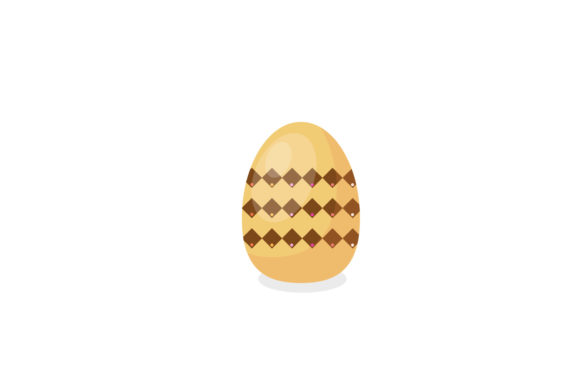
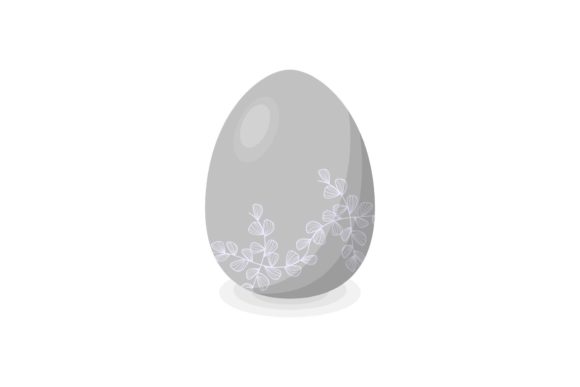
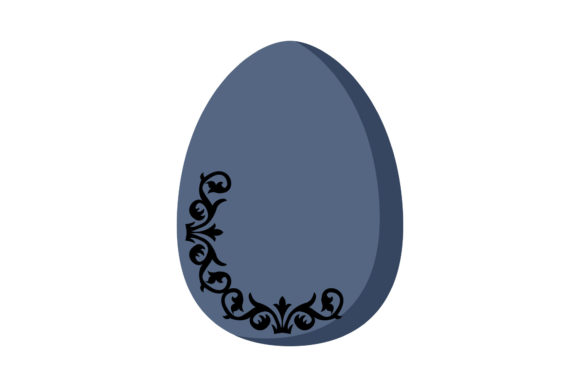
The Easter Egg Decorative Icon presents itself as a clean, versatile graphic within the broader category of Icons. Visually, it carries a festive yet sophisticated mood that avoids the clutter often found in holiday-specific designs. The layout suggests a balanced composition, which is crucial when you are planning to place a motif on a curved surface like a cap or a structured item like a tote bag. For an Etsy seller looking to refresh their spring catalog, the visual personality of this icon feels fresh without being overly trendy. It has the potential to anchor a collection of handmade products that range from nursery decor to boutique kitchen linens.
However, before committing to a final project, I always assess the line weight and detail level. In the context of Graphics intended for stitching, fine lines can sometimes disappear under heavy thread coverage. My initial assessment of the Easter Egg Decorative Icon suggests it holds its shape well, but the true clarity will depend entirely on how the file is converted into a stitch path. If you are planning to use this for custom apparel, ensure that the decorative elements do not become too dense, which could cause puckering on lighter fabrics.
Real-World Application: From Tote Bags to Baby Gear
To truly understand the utility of the Easter Egg Decorative Icon, let’s walk through a realistic project scenario. Imagine you are preparing a limited run of personalized tote bags for a local craft fair. You want the design to pop against a natural canvas background. In this case, the icon serves as a perfect focal point. Because the canvas size provided is substantial at 1920px x 1280px, you have enough resolution to scale the design up for a large chest placement on a sweatshirt or keep it small for a delicate accent on a baby onesie.
For baby embroidery, this icon offers a gentle aesthetic. A small version placed near the hem of a cardigan or on a bib would be adorable, provided the stitch density is adjusted to prevent stiffness. Conversely, if you are creating an embroidered patch for a denim jacket, the bold outlines of the Easter Egg Decorative Icon would likely hold up beautifully against the rugged texture of denim. The key here is versatility. Whether you are making a holiday gift, a pillow cover, or a tea towel, the design adapts to the medium as long as you respect the fabric’s limitations.
Consider also the application on sweatshirt embroidery. Fleece and cotton blends can be tricky because they absorb thread differently than woven fabrics. The rounded nature of an egg shape generally works well here, as there are no sharp corners that might snag or pull out during washing. However, if you plan to layer this icon with text or other design assets, you must carefully calculate the total area to avoid overwhelming the garment.
Navigating Fabric Challenges and Hoop Constraints
While the Easter Egg Decorative Icon is promising, experienced designers know that no design is universally perfect. There are specific situations where caution is required. For instance, using this icon on very thin or stretchy fabric requires a robust stabilizer. Without proper backing, the tension from the fill stitch could distort the egg shape, ruining the symmetry. Similarly, if you are working with dark fabrics, the contrast of your thread colors becomes critical. A light-colored icon on a black hoodie needs precise color selection to maintain visibility and definition.
Another consideration is the hoop size. While the digital file is high resolution, your physical machine has limits. If you are using a small 4x4 hoop for a cap or a wristband, you may need to downsize the icon significantly. At very small scales, intricate details within the Easter Egg Decorative Icon might merge together, losing the crispness that makes it appealing. Always test the design on scrap fabric first. This simple step allows you to inspect small details and confirm that the running stitch and satin stitch areas are behaving as expected before you commit to a client’s expensive material.
Commercial Viability and Brand Consistency
For the creative entrepreneur running a craft business, consistency is currency. The Easter Egg Decorative Icon can serve as a recurring motif across various product lines, helping to build brand recognition. If you sell personalized gifts, having a cohesive look across your tote bags, aprons, and pillow covers creates a professional presentation that customers trust. The clean lines of this icon suggest quality, which directly impacts the perceived value of your finished product.
When selling these items online, remember that your photos are your storefront. Using printable mockups that accurately represent how the embroidery looks on different textures can boost buyer engagement. Show the icon on a textured wool blanket and then on a smooth cotton shirt. This demonstrates to the customer that you understand how the design interacts with materials. Furthermore, if you are offering digital embroidery files for sale yourself, ensure you have the correct licensing. The product description mentions receiving AI and EPS files, which are vector formats ideal for editing, but you must verify the terms regarding commercial use of the final stitched items.
Practical Checklist for Designers
Before you start stitching with the Easter Egg Decorative Icon, run through this quick mental checklist to ensure a successful outcome:
- Test on Scrap Fabric: Never skip this. Check for puckering, thread breakage, and alignment issues.
- Review Stitch Density: Ensure the fill isn't too heavy for lightweight fabrics like silk or chiffon.
- Confirm Hoop Size: Verify that the scaled-down version still retains legible details.
- Check Thread Contrast: Select colors that stand out against both light and dark backgrounds.
- Inspect Licensing: Double-check if you can sell finished goods containing this design or if you need a separate commercial license.
- Mockup in Black and White: Test the design in grayscale to see if the shapes remain distinct without color cues.
In conclusion, the Easter Egg Decorative Icon is a solid addition to any designer’s library of spring-themed assets. It balances simplicity with enough character to make a statement on custom apparel and home decor items. By respecting the technical requirements of embroidery—such as stabilizer choice, stitch type, and scaling—you can transform this digital graphic into a high-quality, marketable handmade product. Whether you are a hobbyist decorating a family heirloom or a small shop owner stocking shelves for the season, this icon offers the flexibility needed to create something truly special.