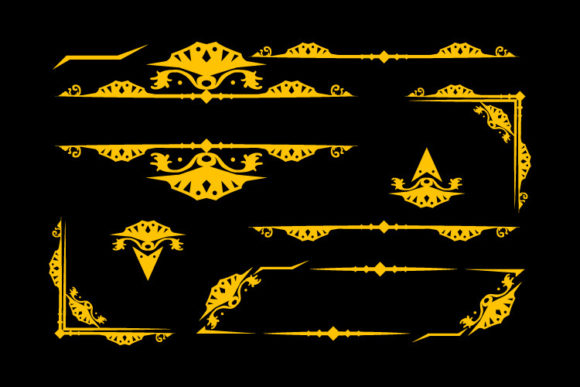
Set of Ornamental Decorative Art Design Review
As a designer who has spent years translating digital concepts into tangible stitched goods, I approach every new asset with a critical eye. The market is flooded with generic patterns, but finding a Set of Ornamental Decorative Art Design that truly translates well from screen to fabric is a different challenge entirely. Today, I am putting this specific collection through its paces to see if it holds up under the scrutiny of real-world embroidery projects. This isn't just about how the vector looks on a monitor; it is about how the lines behave when converted into a machine embroidery design and how the final product resonates with customers.
First Impressions: Mood and Visual Personality
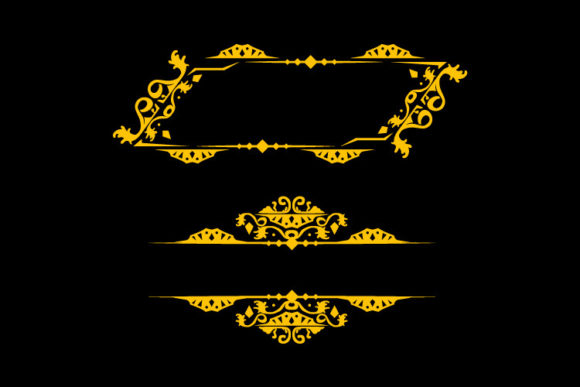
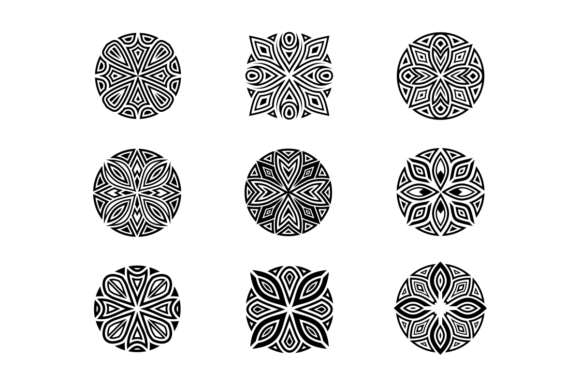
When I first opened the files for the Set of Ornamental Decorative Art Design, the immediate impression was one of elegant versatility. These are not chaotic, over-stuffed graphics. Instead, they offer a clean, structured aesthetic that leans heavily into classic ornamentation. The shapes are defined, and the layout suggests a balance between negative space and intricate detail. For an embroidery file, this is promising. Too much detail often leads to thread bunching or poor definition, while too little can look cheap. This set seems to find the sweet spot.
The visual personality feels timeless. It does not scream "trendy" in a way that will date a handmade product in six months. Instead, it evokes a sense of craftsmanship and tradition. Whether you are looking to create a high-end boutique item or a personalized gift, the mood is sophisticated yet accessible. The fact that these come as Graphic Templates means they are designed to be flexible, allowing you to scale them or integrate them into larger compositions without losing their structural integrity.
A Real-World Test: The Custom Tote Bag Scenario
To truly evaluate the utility of these assets, let's imagine a practical scenario. I have a client requesting a line of premium canvas tote bags for a local artisan fair. They want something that feels handcrafted but consistent enough for small batch production. I decide to use the Set of Ornamental Decorative Art Design as the central motif on the front pocket area.
Before stitching, I must consider the conversion process. Since the provided files include Ai, Eps, Svg, Png, and Jpg formats, I have the flexibility to work in my preferred vector software to prepare the embroidery file. I import the SVG and begin digitizing. The clean lines of the ornamental elements translate surprisingly well into satin stitch borders. The curves are smooth, which means the machine will not struggle with jagged edges or excessive trims.
Once stitched onto a test swatch of heavy cotton canvas, the result is impressive. The fill stitch areas hold their density without puckering the fabric, provided I use a cutaway stabilizer. The design stands out clearly against the natural beige of the canvas. If I were selling this as a finished product on Etsy, the visual clarity would immediately signal quality to a potential buyer. It elevates a simple tote bag into a statement piece, justifying a higher price point for the craft business owner.
Navigating Fabric Textures and Hoop Sizes
While the design performs beautifully on sturdy canvas, experience dictates we must be cautious with other materials. The Set of Ornamental Decorative Art Design contains fine details that could get lost on textured fabrics like fleece or thick wool. If you plan to use this for sweatshirt embroidery, you might need to simplify certain inner elements or increase the overall hoop size to ensure the details remain legible.
Similarly, working with thin or stretchy fabrics requires extra attention. On a delicate baby garment, the density of the fill stitch could cause the fabric to pucker if the wrong stabilizer is used. In such cases, I recommend testing the design on scrap fabric first. Check the thread colors against the background; a light gray thread on a white shirt will disappear, ruining the effect. Always compare light and dark fabric backgrounds before committing to a full run.
For curved surfaces like caps or hats, the rigid nature of some ornamental corners might pose a challenge. You may need to adjust the digitization to follow the curve of the brim more naturally. Additionally, avoid placing dense decorative accents near seams where the tension might pull the stitches unevenly. These considerations are vital for maintaining the professional look of your custom apparel.
Commercial Viability and Brand Consistency
For the creative entrepreneur running a small shop product line, consistency is key. The Set of Ornamental Decorative Art Design offers a cohesive style that can be repeated across various items—from embroidered patches to pillow covers and tea towels. This uniformity helps build brand recognition. When a customer sees the same ornamental motif on a holiday gift and a kitchen towel, it creates a sense of trust and professionalism.
However, before using these Graphics for commercial embroidery projects, you must confirm the licensing terms. While the description lists the file formats, it does not explicitly state the commercial rights for the finished products. As an Etsy seller or digital product creator, ensuring you have the right to sell items made with these design assets is non-negotiable. If the license allows it, these templates become powerful tools for scaling your business without sacrificing the handmade feel.
Practical Designer Notes for Success
If you decide to incorporate this set into your workflow, here are a few practical tips based on my review:
- Test Stitch Density: Run a test on scrap fabric to ensure the fill stitch is not too tight, which can harden the fabric, or too loose, which can show the backing.
- Check Small Details: Inspect tiny lettering or intricate corners closely. If the design includes text, ensure the font size is large enough to stitch cleanly on your target hoop size.
- Use Proper Stabilizer: Match the stabilizer to the fabric weight. A tear-away might suffice for t-shirts, but a cutaway is better for stretchy garments or heavy canvas.
- Mockup First: Create printable mockups in black and white to visualize the contrast before spending thread and time on the actual project.
- Verify File Compatibility: Although Ai, Eps, and Svg are industry standards, always double-check that your embroidery software can read the specific version of the file you download.
Ultimately, the Set of Ornamental Decorative Art Design proves to be a robust resource for designers who value both aesthetics and functionality. It bridges the gap between digital art and tactile craft, offering a foundation for creating personalized gifts, holiday embroidery, and unique small business merchandise. By respecting the limitations of the medium and preparing your workspace correctly, you can turn these digital templates into high-quality, stitched masterpieces that customers will love.