Indian Decorative Icon Mandala Review
As a designer who has spent years translating digital art into tangible stitched goods, I approach every new asset with a mix of excitement and skepticism. When I first opened the Indian Decorative Icon Mandala, my immediate reaction was to assess its potential for real-world application rather than just admiring it on a screen. This specific design falls under the category of Graphics, often found in Freebies collections, but that does not mean it lacks professional utility. In fact, finding high-quality vector assets without a price tag is a goldmine for small business owners and Etsy sellers looking to expand their catalog without inflating overhead costs.
The Visual Impact and Design Structure
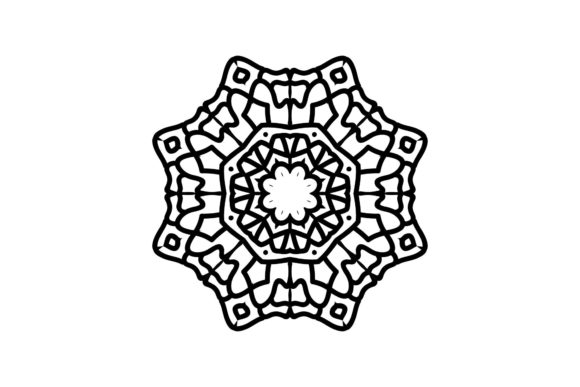
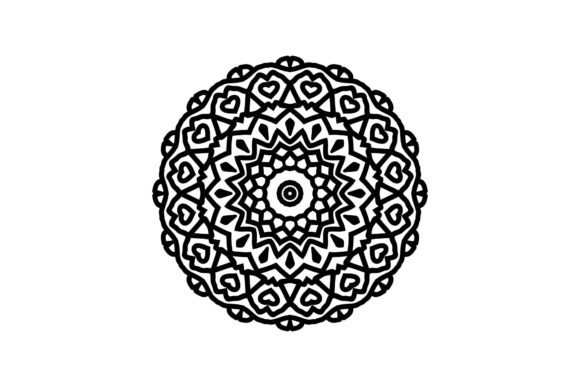
The first impression of the Indian Decorative Icon Mandala is one of intricate balance. The layout radiates from a central point, creating a symmetrical harmony that is essential for embroidery. Unlike chaotic patterns that can get lost in the stitching process, this ornament maintains clear boundaries between its decorative elements. The mood it creates is timeless and culturally rich, evoking a sense of tradition that translates well into modern handmade products. For an embroidery project, the visual personality suggests versatility; it feels at home on both rustic, earthy fabrics and sleek, contemporary apparel.
However, as a reviewer, I must look beyond the aesthetic appeal to the technical execution. The design comes in five digital formats: AI, EPS, SVG, JPG, and PNG, all set within a 1920px by 1280px canvas size. This resolution is crucial. While the JPG and PNG files are excellent for creating printable mockups or digital product previews, the vector formats like AI and EPS are what truly matter for converting this into a machine embroidery design. The ability to scale the artwork without losing definition is vital when you are planning a large-scale sweatshirt embroidery versus a tiny detail on a baby item.
Testing the Design in Real-World Scenarios
To truly evaluate the Indian Decorative Icon Mandala, I imagined preparing a custom embroidered tote bag for a local craft fair. Tote bags are a staple for any craft business, offering a large, flat surface that accommodates complex patterns. In this scenario, the mandala's radial symmetry would anchor the center of the bag perfectly. The detailed corners of the design would need careful attention during the digitizing phase. If the lines are too thin, they might disappear once converted to a running stitch or fill stitch. Conversely, if the density is too high, the fabric could pucker, ruining the drape of the finished product.
I also considered how this design would perform on a personalized gift, such as a pillow cover or a kitchen towel. These items require durability because they face frequent washing. Here, the choice of thread colors becomes critical against the fabric texture. A white linen towel would make the intricate details of the mandala pop, provided the contrast is sufficient. However, if I were using this on a dark-colored sweatshirt, I would need to ensure the stitch density is adjusted to prevent the background color from showing through the gaps in the pattern. The Indian Decorative Icon Mandala offers enough complexity to justify a premium price point on a boutique product, elevating a simple garment into a statement piece.
Navigating Technical Challenges and Limitations
While the design is visually stunning, there are areas where caution is required. One major consideration is the hoop size. The original canvas dimensions suggest a medium-to-large footprint. Attempting to shrink this intricate mandala down for a small cap or a hat patch could result in a muddy mess. Tiny lettering or delicate curves within the ornament might merge together if the stitch count is compressed too much. As a rule of thumb, always test the design on scrap fabric first before committing to expensive materials.
Textured fabrics also present a challenge. On a thick wool blanket or a heavy denim jacket, the fine lines of the mandala might struggle to sit flush against the surface. You may need to use a heavier stabilizer to provide a solid foundation for the needle. Additionally, curved surfaces like caps require specialized digitizing techniques to account for the tension changes as the hoop moves around the curve. The Indian Decorative Icon Mandala is best suited for flat or gently curved surfaces where the geometry can remain true.
Another point of concern is the frequency of washing. Items like aprons or tea towels endure significant wear. If the stitch density is too loose, threads may snag or fray over time. It is essential to review the embroidery file settings to ensure that the fill stitch areas are tight enough to withstand agitation. For a personalized gift intended to last a lifetime, these technical nuances separate a professional finish from a hobbyist attempt.
Strategic Use for Business and Branding
For the Etsy seller or small shop owner, incorporating the Indian Decorative Icon Mandala into your product line can significantly boost buyer engagement. Customers are drawn to unique, culturally inspired designs that feel authentic. Using this asset on custom apparel or embroidered patches adds a layer of sophistication that mass-produced graphics lack. It signals to the customer that care and attention to detail went into the creation of the item.
Furthermore, the availability of multiple file formats makes this asset incredibly flexible. You can use the SVG or AI files to create marketing materials, while the JPG and PNG versions serve as high-quality images for your online listings. This consistency across your brand—from the actual finished product to the digital storefront—builds customer trust and reinforces brand consistency. Whether you are selling holiday embroidery kits or year-round boutique merchandise, having a reliable library of design assets is key to scaling your operations.
Practical Designer Notes for Success
- Test First: Always run a test stitch on scrap fabric to check for puckering or thread breaks before starting your final project.
- Check Contrast: Ensure the thread colors stand out against your chosen fabric texture, especially on dark backgrounds.
- Verify Licensing: Even though this is listed under Freebies, confirm the license terms before selling commercial embroidery items or reselling the digital files.
- Stabilizer Matters: Use the appropriate stabilizer for the weight of your fabric to maintain the integrity of the intricate mandala details.
- Mockup Wisely: Use the provided high-res images to create realistic printable mockups that accurately represent how the design will look when stitched.
In conclusion, the Indian Decorative Icon Mandala is a robust addition to any designer's toolkit. Its blend of traditional aesthetics and scalable vector formats makes it ideal for a wide range of applications, from baby embroidery to holiday gifts. By respecting its technical requirements and testing it thoroughly, you can transform this digital graphic into a high-value, professionally stitched masterpiece that resonates with customers and enhances your creative portfolio.