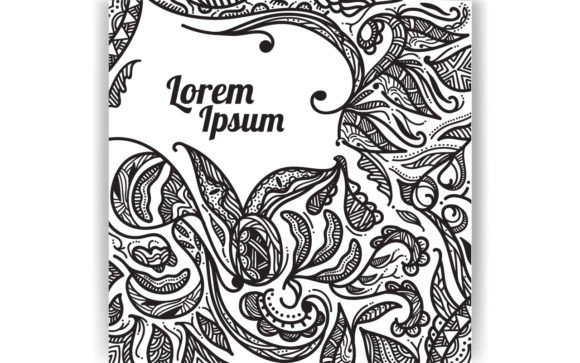
Decorative Template Coloring Page Book Graphics Review
As a brand designer who has spent years curating visual identities for small businesses and digital entrepreneurs, I know that the difference between a campaign that converts and one that gets scrolled past often comes down to a single element. Recently, I was tasked with refreshing the visual strategy for a boutique lifestyle brand launching a new line of handmade journals. The goal was to create marketing visuals that felt organic, engaging, and interactive without sacrificing professional polish. This is where I turned to the Decorative Template Coloring Page Book. My first impression was immediate: this asset radiates a mood of creativity and calm, perfectly suited for brands that want to invite their audience into a personal space rather than just shouting at them from a billboard.
The emotional tone set by these designs is one of playful sophistication. Unlike generic clipart that can feel cheap or outdated, the intricate lines and balanced compositions in the Decorative Template Coloring Page Book suggest a premium, artisanal quality. It feels right at home in casual branding for wellness coaches, lifestyle bloggers, or publishers looking to add a tactile feel to their digital products. However, it also carries enough structural integrity to support commercial design needs when paired correctly. For a brand trying to establish itself as both approachable and high-end, this graphic design asset offers a unique bridge between fun and professionalism.
Integrating Decorative Elements into Real Campaigns
In my recent project, the challenge was to create a cohesive suite of social media graphics and packaging inserts that would encourage user interaction. We needed more than just static images; we needed content that invited participation. The Decorative Template Coloring Page Book became the cornerstone of our "Color Your Journey" campaign. Because the product details confirm availability in vector EPS, AI, SVG, PNG, and high-resolution JPEG formats, created with Adobe Illustrator, we had the flexibility to adapt the designs across every touchpoint. From large-scale event flyers to tiny Instagram story stickers, the scalability was flawless.
We utilized the SVG design files to create interactive web elements for the brand's landing page, allowing users to hover over decorative borders that animated subtly. For our email banners and digital ads, the high-resolution JPEG versions provided crisp edges even on retina displays. The versatility of this creative design bundle allowed us to maintain visual consistency while varying the application. On Pinterest, we used the black-and-white line art as a lead magnet, offering a printable design that followers could download and color themselves. This simple tactic significantly increased audience trust and engagement, as people spend time interacting with the brand's aesthetic before even purchasing a product.
Enhancing Brand Identity and Visual Hierarchy
One of the most critical aspects of using any illustration in marketing is ensuring it supports the visual hierarchy rather than competing with it. The Decorative Template Coloring Page Book excels here because its nature as a coloring template means it is inherently designed to be filled or framed. When used as a background texture or a border for product labels, it adds depth without overwhelming the main message. In our campaign, we placed our call-to-action text inside the negative space of the decorative patterns, creating a clear focal point that guided the viewer's eye naturally.
This approach strengthened our brand identity by giving us a signature look that was instantly recognizable across all channels. Whether it was a Facebook ad promoting a seasonal offer or a header image on a blog post, the consistent use of these patterns created a sense of familiarity. For small business branding, having a unique visual language like this is invaluable. It separates you from competitors who rely solely on stock photography or generic templates. By integrating these design assets into our logo design variations and packaging accents, we achieved a level of professional branding that felt bespoke and thoughtfully curated.
Strategic Applications for Content Creators
For content creators and digital sellers, the Decorative Template Coloring Page Book opens up a world of possibilities for digital product creation. Imagine bundling these templates with your own Canva templates to offer clients a complete branding kit. You can use the PNG design files to overlay onto merchandise mockups, giving potential customers a preview of how the designs look on t-shirts, mugs, or tote bags. The ability to customize colors makes these assets perfect for creating seasonal promotions where you simply swap the fill colors to match holiday palettes without redrawing the entire graphic.
Furthermore, these illustrations work exceptionally well in editorial design and media kits. They provide a sophisticated backdrop for testimonials, feature lists, or team bios, adding a layer of personality that plain white space lacks. When designing promotional banners for web design projects, the intricate details of the Coloring Pages Amp category items can draw attention to specific sections of a website, acting as subtle navigational cues. The key is to treat these not just as decorations, but as functional components of your marketing visuals that enhance readability and retention.
Navigating Limitations and Best Practices
While the Decorative Template Coloring Page Book is incredibly versatile, there are scenarios where it should be used with caution. In formal corporate branding or dense information layouts, such as financial reports or legal disclaimers, the playful nature of coloring page aesthetics might undermine the seriousness of the message. Similarly, on small mobile graphics or low-contrast backgrounds, the fine lines of the illustration may become muddy or difficult to distinguish. If you are working with an overly minimal brand that relies heavily on vast amounts of negative space, introducing a complex pattern could clutter the design and distract from the core value proposition.
Before committing to a full campaign, I always recommend testing the asset against your specific brand color palette. Check how the design looks in black and white usage, as many print applications require monochrome versions. Place the graphics inside real campaign mockups to see how they interact with your typography. Test readability in small sizes, especially if you plan to use them for icons or app interfaces. Compare the visuals against competitor designs to ensure you aren't accidentally mimicking a trend that has already lost its appeal.
Practical Designer Notes for Implementation
- Typography Pairing: Experiment with how the decorative lines pair with different font styles. A script font or handwritten font often complements the organic feel of the coloring pages, while a clean sans serif font can modernize the look for a contemporary audience.
- Licensing Verification: Always review the commercial licensing terms before using these assets in paid campaigns or client work. Ensure you have the rights to modify and distribute the files as part of your final deliverables.
- Spacing and Balance: Pay close attention to the spacing around the illustrations. Give the design room to breathe so it doesn't feel cramped, which is crucial for maintaining a professional appearance.
- Mobile Preview: Since a significant portion of your audience will view your content on mobile screens, preview the asset on various devices to ensure the details remain crisp and legible.
Ultimately, the Decorative Template Coloring Page Book is a powerful tool for anyone looking to inject personality and interactivity into their marketing efforts. It supports stronger first impressions, clearer visual hierarchies, and a more memorable campaign experience. Whether you are a blogger creating a content kit, a coach building a digital course, or a designer crafting a custom brand identity, this asset provides the creative foundation needed to stand out in a crowded marketplace. By understanding its strengths and limitations, you can leverage these graphics to build a brand that resonates deeply with your audience, turning passive viewers into engaged community members.