Decorative Panel with Abstract Pattern: Graphics & Crafts Review
I recently received a request from a boutique interior design firm looking to launch a new line of modern room dividers. The client wanted something that felt architectural yet organic, suitable for high-end manufacturing but also scalable for marketing visuals. This is where I stumbled upon the Decorative Panel with Abstract Pattern. As a graphic designer who bridges the gap between digital concepts and physical production, my first instinct was to scrutinize this asset not just as a pretty image, but as a functional tool for a real-world project. Does it hold up under the pressure of a commercial deadline? Can it transition seamlessly from a screen to a laser cutter?
First Impressions: Mood and Visual Weight
The moment I opened the file set, the visual language was clear. The Decorative Panel with Abstract Pattern exudes a sense of structured chaos. It is not merely a background; it is a statement piece. The abstract geometry creates a rhythm that feels both contemporary and timeless. For a brand identity or packaging design, this pattern offers an immediate layer of sophistication without requiring heavy typography to carry the weight.
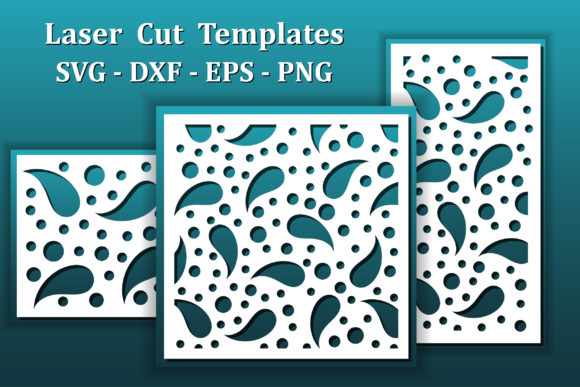
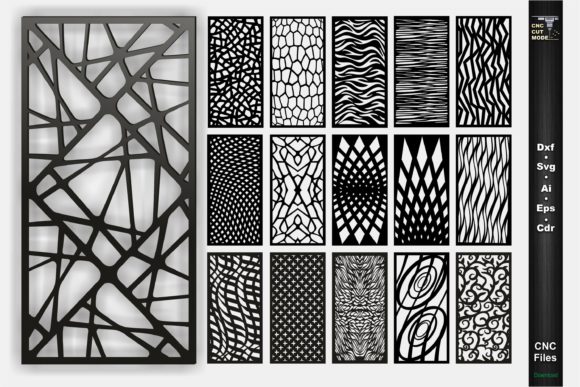
In the context of Crafts and physical production, the lines are distinct and purposeful. The description notes that this is a set of 20 panels designed for laser, plasma, and CNC machine cutting. From a designer's perspective, this versatility is gold. It means the same creative concept can be realized as a massive metal screen for a lobby or a delicate wooden divider for a home office. The mood it sets is one of curated elegance, perfect for a handmade business aiming to elevate its perceived value in a crowded creative marketplace.
Performance in Real-World Design Scenarios
When evaluating any graphic design asset, I always ask: where does this actually work? The Decorative Panel with Abstract Pattern shines in scenarios that require texture and depth. Imagine using this for packaging design on a luxury candle box. The intricate lines would catch the light beautifully, creating a tactile experience even before the customer opens the package. Similarly, for social media graphics, these patterns make excellent overlays for Instagram posts or Pinterest pins, adding a layer of "designed" quality that separates professional brands from hobbyists.
For those running a print-on-demand store, this asset is a game-changer. Whether you are creating a t-shirt design or a sublimation mug, the abstract nature allows it to sit well on various fabric colors without clashing. It works exceptionally well as a full-back print or a subtle chest logo accent. In editorial design, such as magazine layouts or blog headers, it provides a sophisticated backdrop that keeps text legible if used at low opacity, while still establishing a strong visual theme.
I also see immense potential for Cricut projects and sticker design. If you are a digital seller on Etsy, turning this into a layered SVG design allows customers to create their own wall art or decor. The fact that it includes files for CNC machines suggests the vector paths are clean, which is crucial for cutting tools. A messy path can ruin a project, but here, the precision seems tailored for manufacturing.
Strategic Placement: Where It Excels
To get the most out of the Decorative Panel with Abstract Pattern, strategic placement is key. This asset thrives in large layout areas. Think hero graphics on a website landing page or the front panel of a product mockup. When scaled up, the details emerge, creating a rich visual hierarchy that guides the viewer's eye. It is also ideal for decorative accents within a larger composition, such as framing a logo design or filling negative space in a flyer.
For a seasonal campaign or a themed collection, this pattern can serve as the unifying thread. By applying it across different touchpoints—from business cards to email signatures—you create a cohesive brand identity. The consistency builds visual trust with your audience. In web design, using a section of this pattern as a footer background adds a finishing touch that says attention to detail matters.
Cautions: Where to Use Carefully
However, not every design situation calls for this level of complexity. I would advise caution when using the Decorative Panel with Abstract Pattern in small sizes. At thumbnail dimensions, the intricate lines may blur together, losing their impact and potentially making the design look muddy. It is also risky in crowded layouts where too many elements compete for attention. If your project requires a very clean visual hierarchy, such as a corporate annual report or a minimalist medical branding project, this pattern might feel too busy.
Additionally, be mindful of contrast. On complex backgrounds or low-contrast color schemes, the pattern could interfere with readability. Always test how it interacts with your chosen typography. While it pairs beautifully with a bold sans-serif font or a modern display font, it might clash with delicate script fonts if not balanced correctly. Avoid using it as a direct background for body text unless you significantly reduce the opacity or apply a solid overlay.
Practical Designer Notes for Commercial Use
Before committing to a client project, I always run a rigorous checklist. First, test the Decorative Panel with Abstract Pattern in black and white. If it loses its structure without color, it may not translate well to monochrome printing like standard flyers. Next, check the contrast on both light and dark backgrounds to ensure versatility. Preview the asset at various sizes, from a mobile phone screen to a large format banner, to confirm scalability.
Since this asset is marketed for industrial cutting, inspect the file formats closely. Ensure the vectors are editable and free of stray points. If you are working with PNG versions, verify the transparency is clean. For commercial design purposes, always confirm the licensing terms. You need a valid commercial license to use this for client work, merchandise, or resale products. Do not assume a personal license covers a small business branding project.
Finally, place the design on real product mockups. Seeing how the pattern wraps around a tote bag or sits on a room divider screen gives you the confidence to present it to a client. Compare it with different font styles—serif, sans-serif, handwritten—to find the perfect pairing. The Decorative Panel with Abstract Pattern is more than just a clipart; it is a versatile tool that, when used with professional judgment, can elevate a simple idea into a polished, market-ready reality.