Background Mandala Decorative India Review
As a designer who has spent years translating digital art into tangible stitched goods, I approach every new asset with a mix of excitement and skepticism. The market is flooded with generic patterns, but finding a Background Mandala Decorative India that actually holds up under the scrutiny of an embroidery machine is a different story. When I first opened this file to evaluate it for my upcoming holiday collection, I wasn't just looking at pixels; I was visualizing thread tension, fabric drape, and the final reaction of a customer holding a finished product in their hands.
First Impressions: Mood and Visual Weight
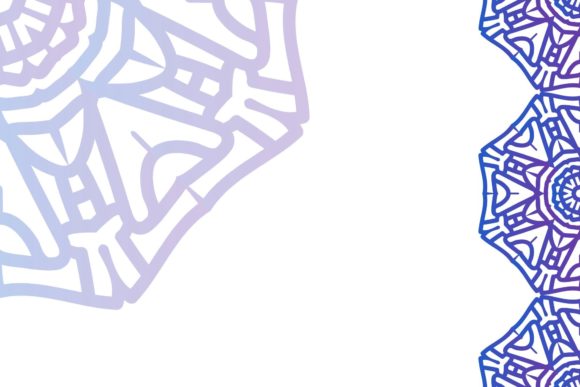
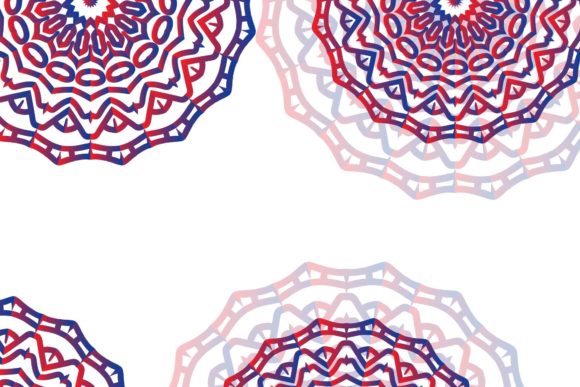
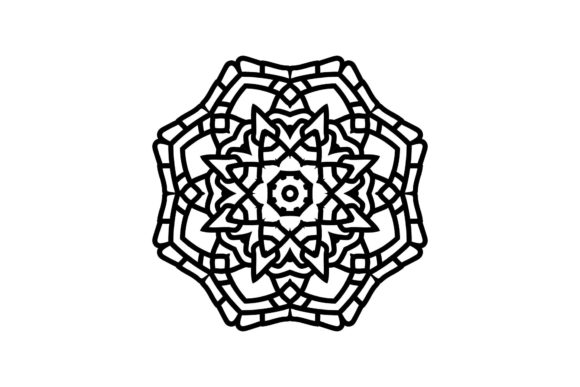
The initial view of the Background Mandala Decorative India design reveals a complex interplay of geometric symmetry and organic flow. Unlike many flat graphics that look good on a screen but fail in three-dimensional stitch work, this piece possesses a visual depth that suggests it will translate well into a rich, textured surface. The intricate lines create a sense of movement, which is crucial when you are trying to add value to a simple item like a canvas tote or a plain cotton apron.
In the realm of Backgrounds, this specific mandala stands out because it balances detail without becoming a muddy mess. For those of us selling handmade products on Etsy or running a small boutique shop, the "vibe" of a design dictates its success. This pattern evokes a bohemian, artisanal feel that pairs perfectly with natural fibers. It feels less like a clip-art sticker and more like a genuine textile element. If you are planning a line of custom apparel or personalized gifts, this graphic offers a sophisticated backdrop that elevates the perceived quality of the entire project.
Testing the Waters: A Real-World Scenario
To truly understand the potential of the Background Mandala Decorative India, I simulated a real-world application. Imagine preparing a high-end embroidered patch for a limited-run sweatshirt collection. The goal is to place this mandala on the back of a heavy-weight hoodie, centered between the shoulder blades. In this scenario, the design acts as a statement piece rather than a subtle accent.
When I mentally mapped the stitching process, the symmetrical nature of the mandala became an asset. For a large area like a sweatshirt back, the radial symmetry helps guide the eye and hides minor imperfections in fabric alignment better than linear designs would. However, the complexity requires careful consideration of stitch density. If the fill stitch is too tight, the heavy cotton of the sweatshirt might pucker, ruining the professional finish. Conversely, if the density is too low, the vibrant colors of the thread might bleed through to the other side, creating a messy appearance.
This same logic applies to smaller items like baby clothes or nursery decor. A scaled-down version of this mandala could serve as a beautiful motif on a receiving blanket or a pillow cover. Here, the softness of the design complements the gentle aesthetic required for infant products. But, as any experienced maker knows, scaling down introduces risks. Tiny details that look crisp at 1920px might merge into a single blob of thread on a small hoop. You must inspect the smallest elements of the machine embroidery design to ensure they remain distinct after conversion.
Navigating Fabric and Hoop Challenges
One of the most critical aspects of using the Background Mandala Decorative India is understanding where it should be used carefully. While the design is versatile, it is not a magic bullet for every material. On thin fabrics like silk or lightweight linen, the sheer volume of thread required to render the mandala's details could cause significant distortion. In these cases, using a heavy-duty stabilizer is non-negotiable. Without proper support, the fabric will stretch during stitching, leading to uneven edges and a warped final look.
Similarly, curved surfaces present a unique challenge. Attempting to embroider this complex background on a baseball cap requires advanced digitizing skills. The curvature of the cap can distort the circular geometry of the mandala if the design isn't specifically adapted for that surface. For caps and hats, it is often safer to use simplified versions or focus on the central motif rather than the full background expanse.
Dark fabrics also demand attention. The intricate lines of the mandala rely on contrast to define their shape. If you are applying this design to a black sweatshirt using dark blue thread, the definition will be lost. You need to test your thread colors against the fabric before committing to a batch production. A bright white or metallic thread often works best to make the Background Mandala Decorative India pop against darker backgrounds, ensuring the finished product looks sharp and intentional.
Practical Notes for the Digital Designer
Before you download and start stitching, there are several practical steps to take. First, always test the design on scrap fabric that matches your final project material. This allows you to check the hoop size requirements and adjust the stitch density if necessary. Since the product description mentions receiving five digital files including AI, EPS, SVG, JPG, and PNG formats, you have flexibility. The vector formats (AI, EPS, SVG) are essential if you plan to resize the design significantly or convert it into an embroidery file format yourself.
If you are a small business owner or Etsy seller, consider how this design fits into your brand identity. Does the Indian-inspired mandala align with your existing aesthetic? Consistency builds customer trust. Using a cohesive set of design assets across your shop makes your brand recognizable. Additionally, review the licensing terms carefully. While the files are provided for your use, confirm whether you are permitted to sell the finished physical items or if there are restrictions on commercial embroidery projects. This due diligence protects your business from future legal issues.
Maximizing Value and Customer Engagement
Ultimately, the value of the Background Mandala Decorative India lies in how it enhances the perceived worth of your product. A well-executed mandala transforms a $15 tote bag into a $35 artisanal accessory. Customers buying personalized gifts or holiday embroidery items are looking for uniqueness and craftsmanship. This design provides that spark.
For digital product sellers offering printable mockups, the high resolution of the JPG and PNG files ensures that your previews look professional. Clear, high-quality images drive buyer engagement. When a customer sees a crisp, detailed preview of the mandala on a pillow or shirt, they are more likely to visualize owning it. However, remember that the digital image is only a promise; the actual stitching must deliver on that promise. The texture of the fill stitch and the precision of the running stitch borders must match the elegance of the digital file.
In conclusion, the Background Mandala Decorative India is a powerful tool for designers willing to put in the technical work. It is not a "set it and forget it" graphic. It demands respect for the medium of embroidery. By testing on scrap fabric, choosing the right stabilizer, and selecting appropriate thread colors, you can turn this digital graphic into a stunning handmade product. Whether you are creating a one-of-a-kind wedding gift or stocking inventory for a craft fair, this design offers the depth and character needed to stand out in a crowded marketplace. Just remember: the best embroidery comes from preparation, patience, and a keen eye for detail.